Chew On This
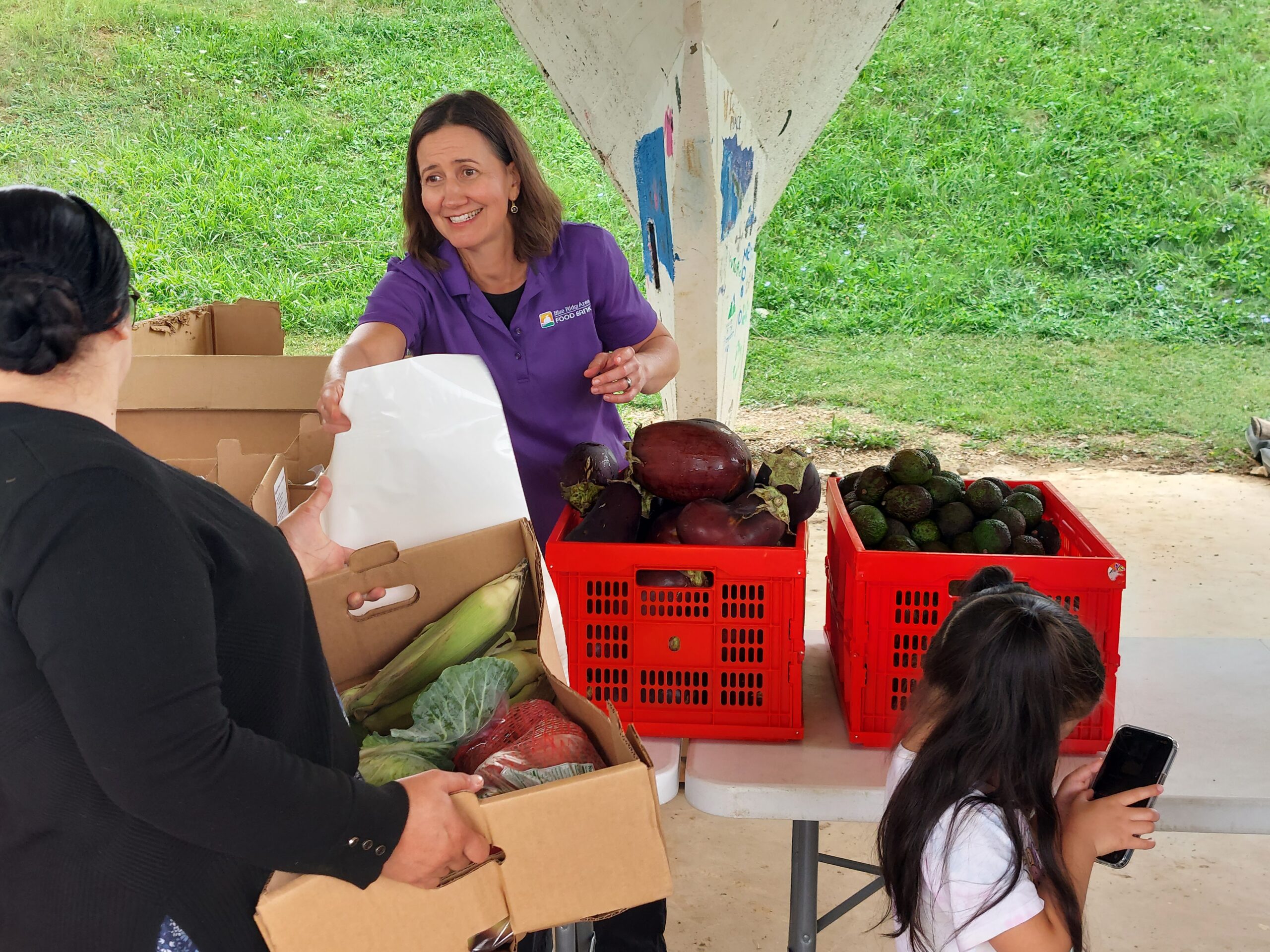
As Kari Diener marks her first year as CEO of the Blue Ridge Area Food Bank, she reflects on a year defined by listening, learning, and leading through challenging times, and shares her vision for the road ahead. From strengthening partnerships across our service area to navigating rising demand and challenges through a government shutdown, her first 12 months have reinforced both the urgency of our mission and the power of community.
Looking back on your first year as CEO, what moment or experience stands out as most defining for you?
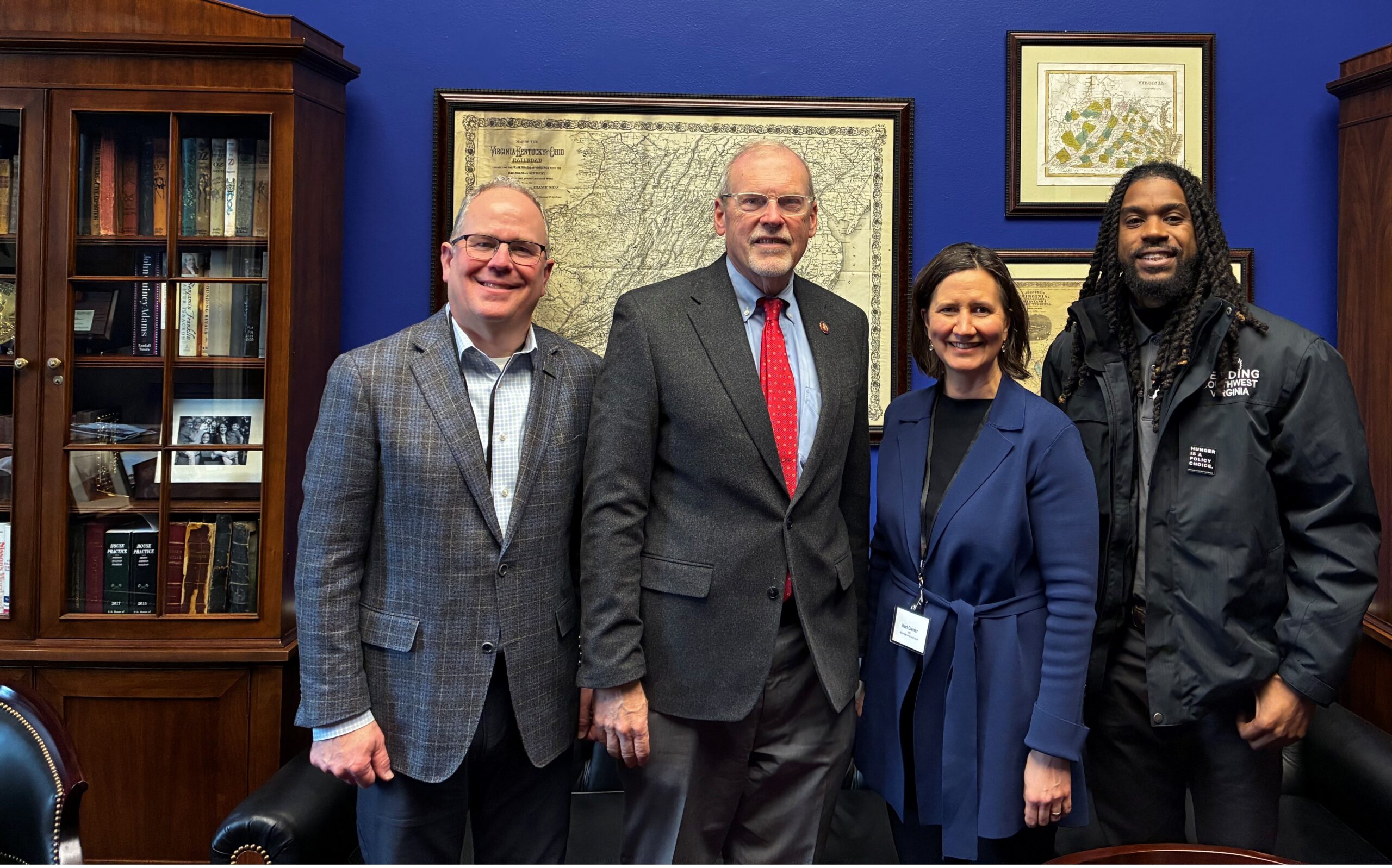
There is not one moment that stands out as defining; rather, it has been the series of conversations and experiences I have had through my listening tour. Visiting more than 50 of our partners across our 25 counties and 8 cities gave me a deeper understanding of the strength, complexity, and commitment of our network, and those conversations have shaped how I think about our work and our future.
What surprised you the most about leading the Food Bank in your first year?
What surprised me most was the strong collaboration among food banks and across the Feeding America national network, of which we are a part. While each food bank responds to the unique needs of its community, we share a common purpose. Food banks regularly exchange ideas, learn from one another, and work together toward the same goal: ensuring people have access to the food they need.
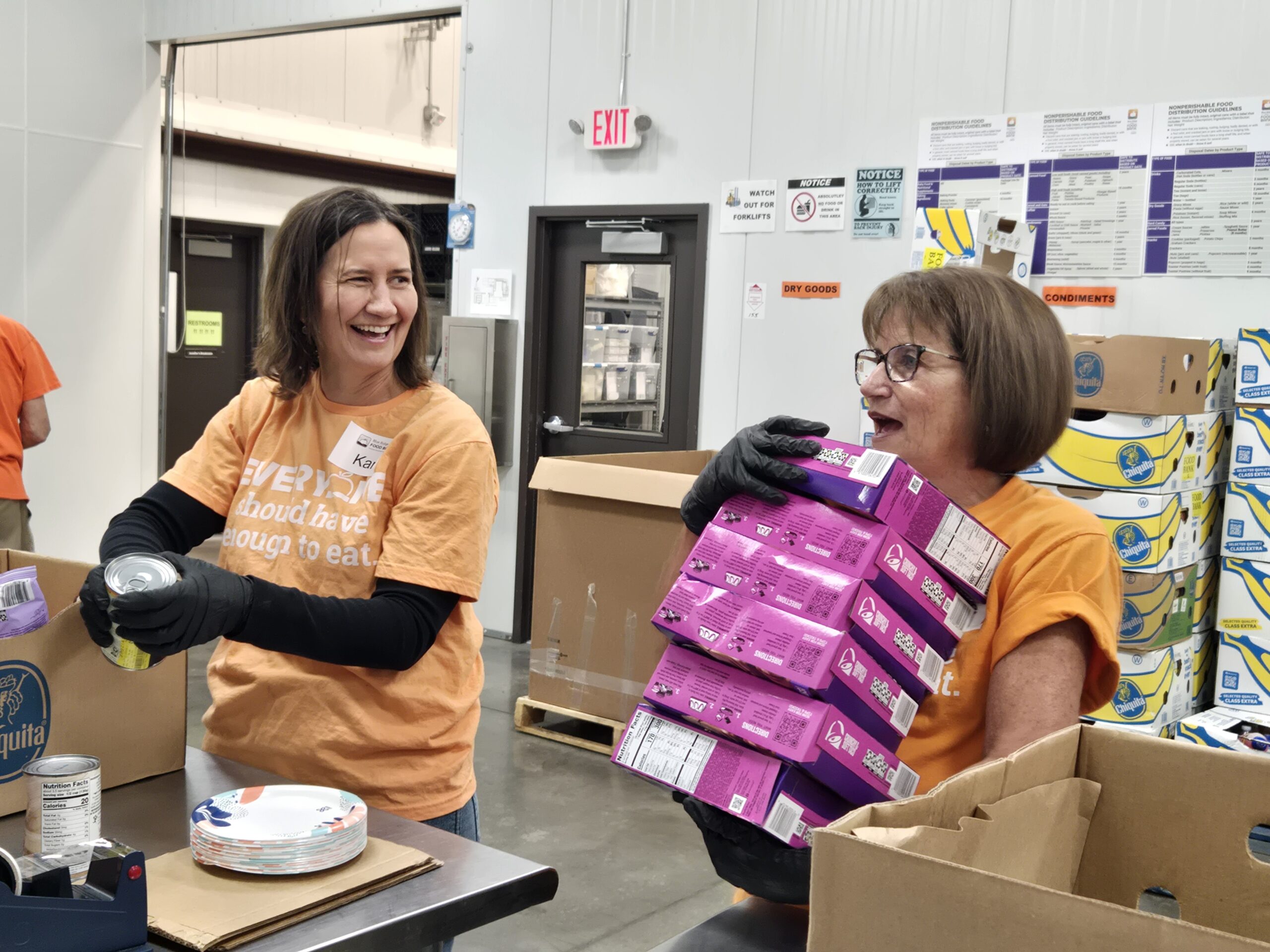
How has your perspective on hunger and food insecurity evolved over this past year?
I have gained an even deeper appreciation for the critical role food banks play as a bridge for people in need. At the same time, it has become increasingly clear that we cannot “food bank” our way out of food insecurity. Our work must go hand in hand with government initiatives and policies that address the root causes of hunger, which is one of the reasons I am excited about my new role on the Virginia Commission to End Hunger.
What accomplishments from your first year are you most proud of, and why?
I am especially proud of the work we have done to refresh our five-year strategy and strengthen support for our partners. Our strategy refresh helped us clarify where we are going and how we can have the greatest impact. At the same time, initiatives such as our Partner Impact and Innovation Grants and expanded protein support provided partners with additional resources to strengthen their services and meet growing community needs.
What notable growth or change have you seen in the Food Bank this year?
We are becoming more intentional about using information to guide decisions, improve systems, and strengthen our impact. The goal is to remain community-centered while becoming increasingly data-informed, so that our work is both responsive to people’s needs and grounded in meaningful insight.
We are about community. Every donor, partner, volunteer, and guest is part of a larger network of neighbors helping neighbors. Food is often the starting point, but the deeper work is connection, dignity, and shared responsibility for one another.
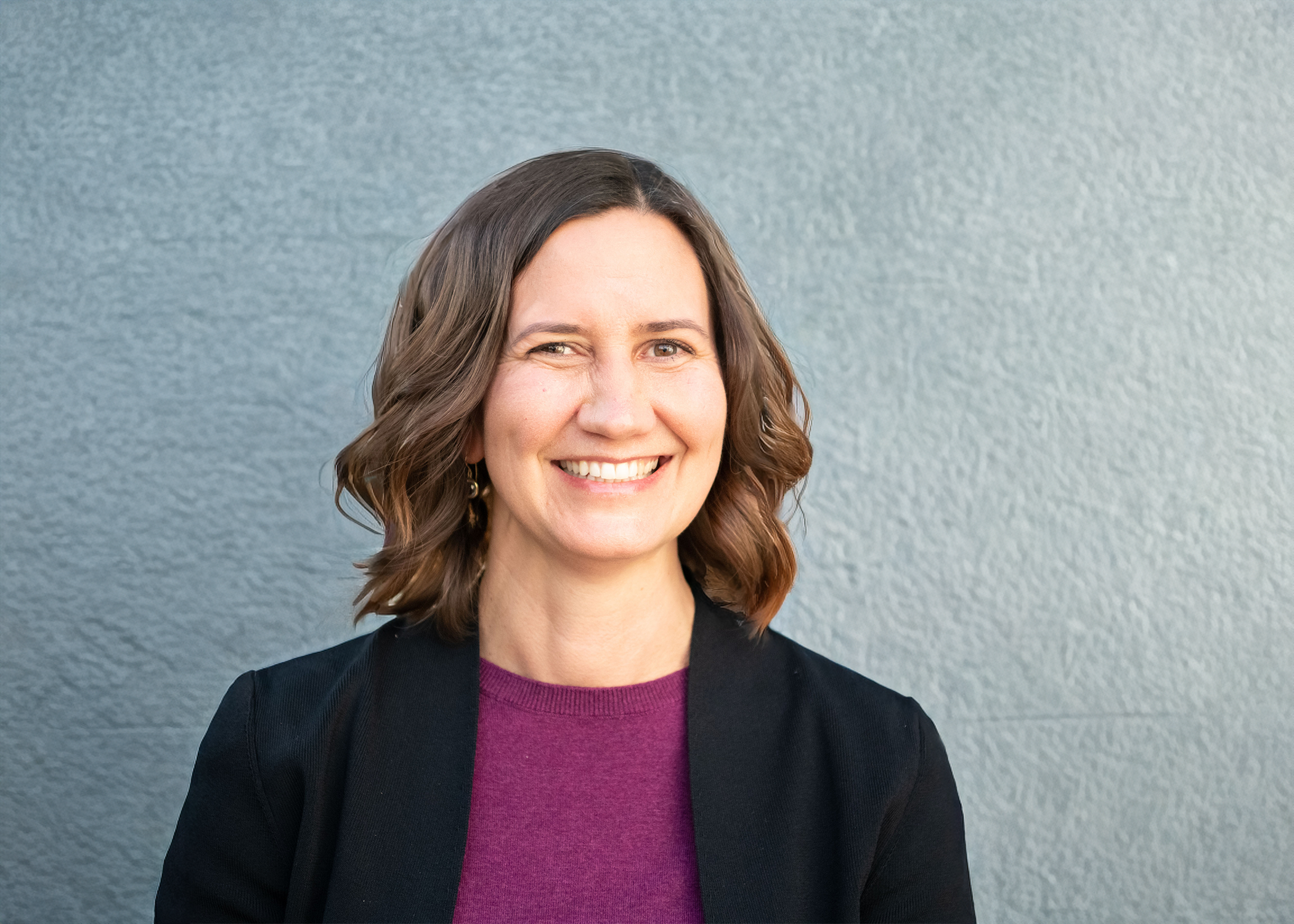
Last year’s government shutdown created uncertainty for many nonprofit organizations. How did it impact the Food Bank’s work, and what did you learn from navigating that situation?
The government shutdown created uncertainty and increased demand across our network. Navigating that situation reinforced for me that our partner network is central to our resilience strategy. When partners have the capacity and resources they need, the entire network is better prepared to respond in moments of disruption. It reminded me how important it is to continue investing in our partners to ensure sustainability of our work.
Regarding the work we do, what keeps you up at night?
What keeps me up at night is the urgency of food insecurity for children and the clear connection between food insecurity and health. When children do not have consistent access to nutritious food, it affects every part of their lives, from learning to long-term well-being. At the same time, the health crisis tied to food insecurity reminds us that this work is not only about meeting an immediate need; it is also about creating the conditions for people and communities to thrive.
What message do you have for our donors? And partners? And guests?
My message is that we are about food, and with support from so many, we provide access to food, no matter what. We are also about community. Every donor, partner, volunteer, and guest is part of a larger network of neighbors helping neighbors. Food is often the starting point, but the deeper work is connection, dignity, and shared responsibility for one another.
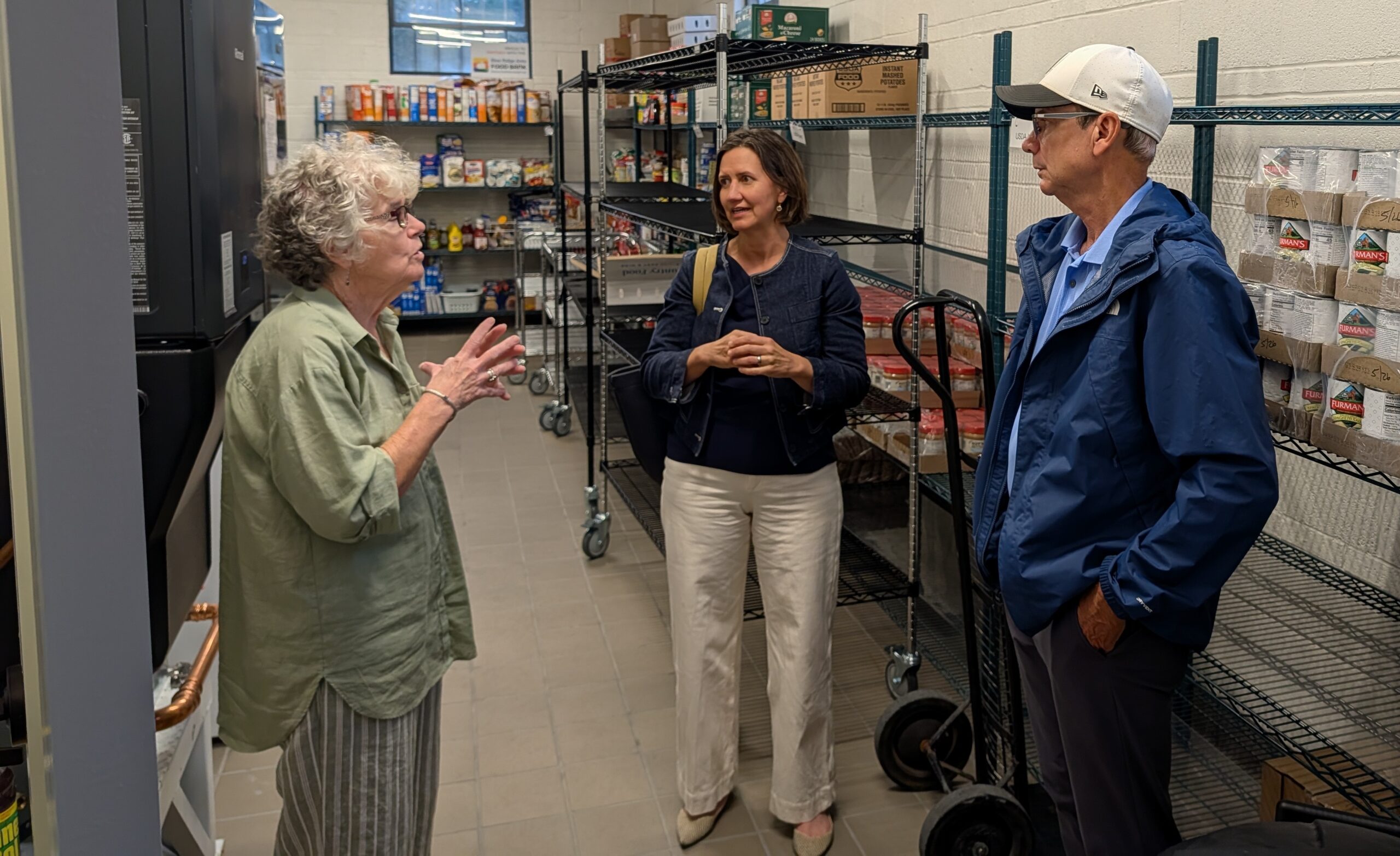
As you begin your second year as CEO, what are your top priorities or goals for the organization?
My priorities include strengthening local food systems, advancing our Food is Medicine work, focusing on the connections between nutrition and health, improving efficiencies in our operations, and building a pipeline of young supporters who care about this mission. We need the next generation of volunteers, advocates, and leaders to see themselves in this work so that our impact continues to grow well into the future.
What gives you hope right now?
What gives me hope right now are the connections that are forged through a shared meal and the many ways neighbors continue to support neighbors. In those moments, we see the strength of community and the generosity that makes this work possible. Even in challenging times, those connections remind me that we are not facing this work alone.